Reviewing Embroidery Seamless Patterns for Craft Fair Success
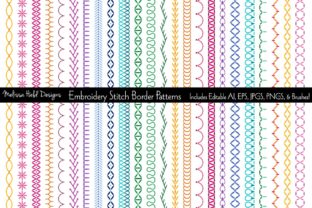
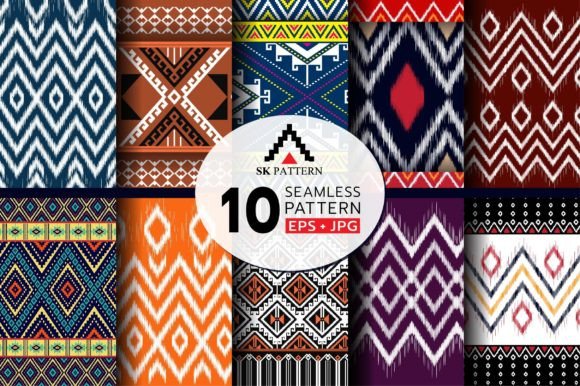
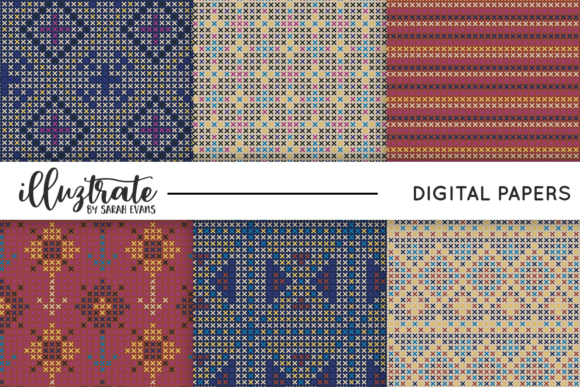
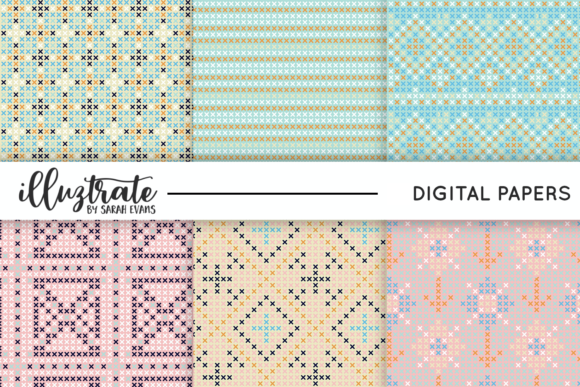
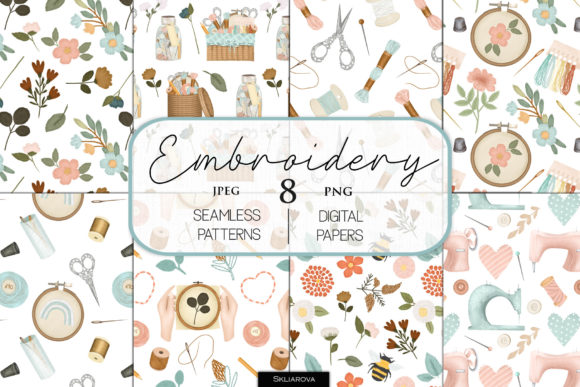
As an embroidery designer preparing for a busy weekend at the local craft fair, my table needs to scream quality before a customer even touches a product. I am currently evaluating a new set of Embroidery Seamless Patterns to see if they deserve a spot in my booth lineup. When you are running a handmade shop or an Etsy store, every design asset must pull its weight. This specific collection includes eight seamless patterns provided as digital papers in PNG format with transparent backgrounds, alongside JPEGs. The files boast a massive 5000×5000 px resolution, translating to 16.66×16.66 inches or 42×42 cm at 300 DPI in RGB. While these are high-quality illustrations, the real test is how they translate from a digital embroidery file to a tangible craft fair product.
First Impressions and Visual Appeal
The moment I loaded the Embroidery Seamless Patterns onto my screen, the clarity was undeniable. At 300 DPI, these graphics are crisp enough to be used as printable mockups for online listings, which is a huge plus for any Etsy seller. However, my primary focus is physical production. The style feels versatile; depending on the thread palette chosen, these patterns can shift from rustic farmhouse charm to modern minimalism. For a craft fair booth, visual consistency is key. These patterns offer a decorative element that feels premium rather than generic. They are not just random clip art; they have a flow that suggests they were created with repetition in mind, making them ideal for creating a cohesive brand look across different items.
Product Applications for the Booth
The true value of Embroidery Seamless Patterns lies in their adaptability across various handmade products. Here is how I plan to deploy them on my display table:
- Tote Bags and Market Bags: A large-scale application of the pattern across the bottom third of a canvas tote creates an instant tote bag design that looks expensive. The seamless nature allows me to tile the graphic if I need to cover a larger area without visible breaks.
- Aprons and Tea Towels: For kitchen textiles, these patterns shine as border accents. An apron embroidery featuring a repeating floral or geometric motif along the hem adds a custom touch that mass-produced items lack. Similarly, tea towel embroidery benefits from the high resolution, ensuring the lines remain sharp even on textured linen.
- Patches and Pouches: By reducing the scale, these graphics become excellent candidates for an embroidered patch. I can create a run of small fabric pouches where the pattern serves as the main focal point, appealing to buyers looking for small shop products under $20.
- Pillow Covers: For home decor, tiling the pattern to cover an entire pillow front creates a bold statement piece. This is where the 42×42 cm size capability becomes crucial, allowing for full-coverage designs without pixelation.
Production Practicality and Batch Work
When preparing for a market, time is money. The ability to batch produce is essential. Since these are seamless, I can set up my machine to run continuous motifs on long strips of fabric, which I can later cut and sew into multiple items. This efficiency makes them perfect for commercial embroidery workflows. However, because the source files are RGB illustrations, I must digitize them carefully or ensure the provided formats work with my specific software. If these are intended to be printed onto transfer paper for heat application, the 300 DPI rating is perfect. If they are to be stitched directly, I need to verify the stitch count and density.
The description notes that "All files can be reduced," which is promising for versatility. Being able to shrink the design for a cap or a pocket accent without losing integrity is a major selling point. A design that works as both a large focal point and a small accent gives me more inventory options from a single purchase.
Critical Considerations for Execution
While the potential is high, there are technical hurdles to clear before these Patterns hit the hoop. As a professional, I always advise caution with the following:
- Stitch Density: If digitizing these illustrations, watch out for overly dense stitch areas. High density can cause fabric puckering, especially on lighter materials like tea towels.
- Fabric Texture: These designs may lose clarity on highly textured fabrics like waffle weave or thick terry cloth. Always test on a scrap piece first.
- Curved Surfaces: Applying a large seamless pattern to a curved cap surface requires careful hooping and potentially splitting the design to avoid distortion.
- Thread Contrast: On dark fabric, ensure your thread colors pop. The RGB preview on a screen often looks brighter than the actual stitched result.
- Small Details: Tiny elements within the pattern might not stitch out cleanly if the design is reduced too much. Check the minimum legible size before committing to a small patch run.
Maximizing Sales and Brand Value
Using Embroidery Seamless Patterns effectively can significantly boost buyer engagement. Customers at craft fairs are drawn to items that look cohesive. If I use one pattern family across my tote bags, aprons, and patches, it strengthens my brand identity. It tells the customer that this is a curated collection, not just a random assortment of goods. Furthermore, the high-quality nature of the source files means my printable mockup images for online stores will look professional, increasing click-through rates.
The visual appeal of a seamless pattern suggests a higher level of effort and design thinking compared to a single centered logo. It implies a "custom boutique" feel, which allows me to price my finished product at a premium. Whether it is a gift for a friend or a treat for themselves, buyers perceive patterned items as more luxurious.
Final Designer Notes and Recommendations
Before you list these as design assets or start stitching for your next market, here is my checklist for success:
- Test on Scrap Fabric: Never run a new design on your final good without a test stitch-out to check tension and registration.
- Check Thread Contrast: Ensure your chosen thread colors provide enough definition against the fabric background.
- Review Spacing: If tiling the pattern manually, ensure the spacing between repeats looks intentional and balanced.
- Confirm Hoop Size: Verify that your machine's hoop size can accommodate the scale you intend to use, or plan for multi-hoop projects.
- Inspect Stitch Density: Adjust density settings if the fabric is stretchy or delicate to prevent warping.
- Use the Right Stabilizer: Match your stabilizer to the fabric weight; cut-away for knits, tear-away for stable wovens.
- Create Real Mockups: Photograph actual stitched samples rather than relying solely on digital renders for your marketing.
- Compare Fabric Colors: See how the design looks on cream versus white versus navy to offer variety.
- Confirm Licensing: The product description mentions commercial use implicitly by targeting sellers, but always double-check the specific license terms regarding resale of the digital file versus the finished physical item.
In conclusion, Embroidery Seamless Patterns offer a robust foundation for a diverse product line. With their high resolution and flexible sizing, they are well-suited for everything from small shop product runs to larger boutique collections. By paying attention to the technical details of execution, you can turn these graphics into best-sellers that stand out on any crowded craft fair table.