Fractal Cross Stitch Pattern - Green Review
As an embroidery designer who spends most of my days digitizing logos and troubleshooting stitch-outs for small businesses, I approach every new digital embroidery file with a critical eye. It is not just about whether a design looks pretty on a screen; it is about how it performs on a cap, how it holds up on a washed apron, and whether it elevates a brand's identity. Recently, I took a close look at the Fractal Cross Stitch Pattern - Green, listed under product code 4006. While the listing describes it primarily as a cross-stitch pattern available via instant PDF download, my goal was to evaluate its potential translation into the world of commercial embroidery and branded merchandise.
First Impressions: Aesthetic and Brand Personality
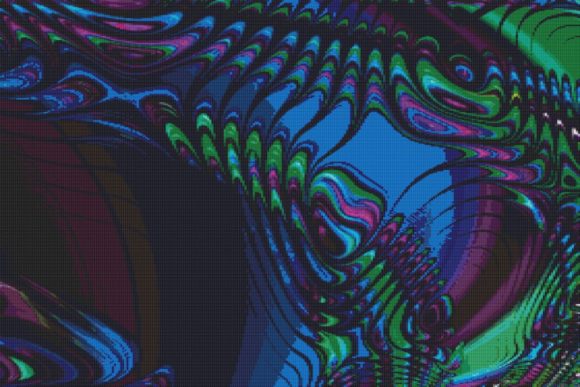
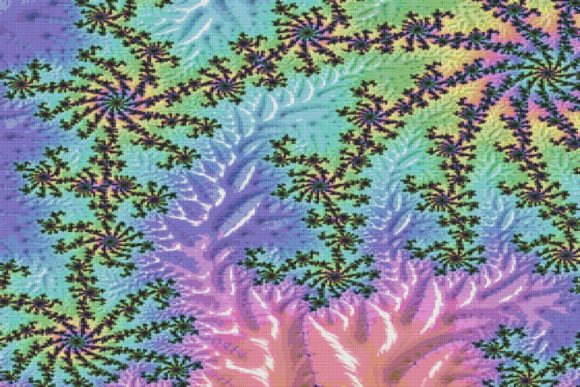
The moment you view the full-color reference picture included in the download, the Fractal Cross Stitch Pattern - Green presents a distinct visual personality. The use of green tones combined with a fractal geometric structure suggests a blend of organic growth and mathematical precision. For a small business owner, this duality is powerful. It feels both modern and classic, offering a "handmade" aesthetic that is currently very popular among boutique brands, florists, and creative studios.
Unlike generic clip art, this design carries a sense of intentionality. The fractal nature implies complexity and depth, which can translate well into a brand identity that values craftsmanship and detail. Whether you are running a local café, a pet brand, or an Etsy shop selling handmade goods, this graphic offers a friendly yet sophisticated vibe. It avoids being overly childish while remaining approachable, making it a versatile asset for various small business merch lines.
Real-World Application for Small Business Merchandise
When considering where to deploy this design, the possibilities for custom apparel and accessories are extensive. Because the design relies on a structured grid typical of cross-stitch, it translates surprisingly well into satin stitch or fill stitch formats when digitized for machines. Here is how I envision it working in real business scenarios:
- Embroidered Patches: This is perhaps the strongest use case. The defined edges of a fractal pattern work beautifully on a twill patch. You could create a run of patches for customers to iron onto jackets or bags, creating an additional revenue stream without managing inventory sizes.
- Staff Uniforms and Aprons: For a bakery or florist, placing this design on the chest of an apron adds a touch of artisanal charm. The green colorway fits naturally with industries focused on nature, food, or wellness.
- Tote Bag Design: Canvas tote bags are a staple for retail shops. A medium-sized placement of this pattern on a tote serves as a walking advertisement, reinforcing the handmade product ethos of your store.
- Cap Embroidery: While possible, this requires careful digitizing. The front panel of a cap is curved and limited in space. If the fractal details are too fine, they may get lost on the curve.
The inclusion of a fabric planning worksheet in the original PDF is a nice touch for hand-stitchers, but for machine embroiderers, it serves as a reminder to plan your hoop placement and thread usage carefully before committing to production.
Technical Considerations and Production Challenges
Before you rush to stitch this out on your client's expensive uniforms, there are technical hurdles to address. The Fractal Cross Stitch Pattern - Green is inherently detailed. Fractals rely on repeating, self-similar patterns that can become muddy if the stitch density is too high or if the design is scaled down too small.
If you intend to use this as a small logo on a polo shirt sleeve or a tiny tag on a garment, you must test it rigorously. Fine lines in a fractal design can easily merge together when stitched at less than 2 inches in width. Furthermore, the choice of fabric texture matters immensely. On a smooth broadcloth, the definition will remain sharp. However, on textured items like terry cloth towels or heavy canvas, the intricate parts of the fractal might get swallowed by the fabric pile.
Another critical factor is the hoop size. Since this is sold as a pattern with a reference image, you need to ensure your digitized version fits within your machine's maximum hoop area without losing resolution. Always check if the design requires multiple hoops or if it can be completed in a single run to minimize registration errors.
Critical Areas for Caution
There are specific scenarios where you should proceed with caution or perhaps avoid this design entirely unless heavily modified:
- Dark Uniforms: The green palette may not pop sufficiently against black or navy fabrics without a significant underlay or a backing stabilizer to prevent show-through.
- Frequent Washing: High-density areas in fractal designs can become stiff. If this is going on a work shirt that will be industrial laundered daily, the patch might crack or pucker over time.
- Curved Surfaces: As mentioned with caps, complex geometry does not always play nice with severe curves. Distortion is a real risk here.
Impact on Brand Identity and Customer Trust
In the crowded marketplace of Graphics and Patterns, consistency is key. Using a unique design like the Fractal Cross Stitch Pattern - Green helps differentiate your brand from competitors using stock vector logos. When a customer sees a cohesive look across your embroidered patch collections, packaging accents, and staff attire, it builds trust. It signals that you care about the details.
This specific design evokes a sense of calm and precision. For a wellness studio or an eco-friendly product line, this visual consistency reinforces the brand message. It turns a simple item, like a tote bag or a hat, into a piece of design assets that customers want to keep and wear, effectively turning them into brand ambassadors.
Practical Notes for the Professional Embroiderer
If you decide to move forward with adapting this pattern for commercial use, here is my professional checklist to ensure a high-quality finished product:
- Test in Black and White First: Before committing to the green thread colors, stitch a sample in monochrome. This helps you verify that the contrast and spacing are sufficient without the distraction of color blending.
- Review Thread Color Contrast: Ensure the shades of green selected have enough difference in value so the fractal layers are visible. Flat lighting can hide poor contrast choices.
- Inspect Spacing: Zoom in on your digitized file. Are the gaps between the fractal elements wide enough to prevent thread buildup? Bridging may be necessary.
- Use Proper Stabilizer: Given the likely density of a fractal design, a cut-away stabilizer is often safer than tear-away to prevent distortion after washing.
- Create a Printable Mockup: Before stitching on final goods, create a printable mockup to show your client. This manages expectations regarding size and placement.
- Confirm Licensing: The product description mentions an instant download PDF, but it does not explicitly detail commercial licensing terms for machine embroidery adaptation. Always contact the creator or read the fine print to confirm you have the right to use this for commercial embroidery projects.
In conclusion, the Fractal Cross Stitch Pattern - Green is a compelling option for businesses looking to add a touch of geometric elegance to their merchandise. While it originates as a hand-stitch pattern, its structural integrity makes it a strong candidate for machine embroidery adaptation, provided you respect the limitations of scale and fabric. With the right preparation and testing, it can become a standout element in your small business merch lineup.