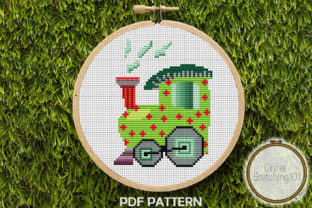
Train Engine Modern Cross Stitch Pattern Review
As an embroidery designer who spends most of my days digitizing logos and selecting artwork for small business merchandise, I am always on the lookout for graphics that bridge the gap between handmade charm and professional branding. Recently, I evaluated the Train Engine Modern Cross Stitch Pattern to see if it holds up as a viable asset for commercial use. My goal was not just to admire the art, but to determine if this design could successfully translate into an embroidered patch, a cap logo, or a branded accent for a boutique's product line.
The first impression of this Graphics file is distinct. It feels playful yet structured, carrying a rustic, handmade aesthetic that appeals to modern consumers looking for authenticity. Unlike generic clip art, this pattern suggests a narrative of movement and industry, making it an excellent fit for brands that want to convey reliability with a touch of whimsy. For a local café, a creative studio, or a pet brand, this visual personality can significantly enhance brand identity by adding a layer of warmth that digital-only logos often lack.
Evaluating Real-World Business Applications
When considering small business merch, versatility is key. The Train Engine Modern Cross Stitch Pattern offers a unique opportunity for custom apparel and accessories. Because the design measures 3.29 x 6.43 inches on 14 count fabric, it is substantial enough to serve as a central feature on a tote bag or an apron. Imagine a bakery using this motif on their staff apron embroidery; the train engine could symbolize the "delivery" of fresh goods or simply act as a charming mascot that customers remember.
For Etsy sellers and crafters, this design shines as a handmade product add-on. It can be stitched onto clothing tags, incorporated into quilted jackets, or used as a decorative element on packaging. The description notes that it includes 3 PDFs, which suggests flexibility in how the pattern is presented or perhaps variations in the guide, though one must verify the specific content of those files upon download. As a digital embroidery file source for cross-stitch enthusiasts, it allows shop owners to sell kits or finished goods without needing to draft the pattern from scratch.
In the realm of commercial embroidery, this graphic works exceptionally well for event merch. A local hobby shop could use it for a community stitching event, printing it on t-shirts or creating iron-on transfers. The linear nature of a train engine translates well to the grid-like structure of cross-stitch, ensuring that the final finished product looks crisp and intentional rather than pixelated or messy.
Technical Considerations for Production
While the artistic merit is high, a professional review must address the technical constraints of turning a cross-stitch pattern into physical merchandise. The dimensions are approximately 8.36 x 16.36 cm. This is a relatively long and narrow format. When adapting this for an embroidered patch or cap embroidery, one must be cautious. Caps have curved fronts, and a design with this much horizontal length might wrap awkwardly around the curve, distorting the image. It is better suited for flat surfaces like the back of a jacket, a tote bag panel, or a rectangular patch sewn onto a canvas.
The pattern calls for 24 colors of DMC floss. In the world of machine embroidery, 24 thread changes are significant. If you are digitizing this for a machine to create a printable mockup or actual goods, this high color count increases production time and cost. For small business owners operating on thin margins, you might consider simplifying the palette for bulk orders while keeping the full 24-color version for premium, limited-edition items. Always check the thread colors against your specific fabric choice; high contrast is essential for the details of the engine to pop, especially on dark uniforms.
Furthermore, stitch density is a critical factor. Cross-stitch patterns rely on the fabric grid (14 count in this case). If you attempt to stitch this on a textured fabric or a stretchy knit without proper stabilization, the geometric integrity of the train will suffer. It is imperative to use a cut-away stabilizer for patches or items that will undergo frequent washing. Without it, the rigid lines of the train engine may pucker, ruining the professional look required for brand identity.
Strategic Placement and Brand Impact
Where should you place this design to maximize customer trust and recognition? Avoid using it for tiny lettering or intricate details on very small patches. The resolution of cross-stitch relies on the size of the "pixels" (stitches). If scaled down too far, the train engine will lose its definition. Instead, use it as a bold statement piece. On a tote bag design, placing it centrally creates a focal point that screams "artisanal quality." On a work shirt, positioning it on the sleeve or as a chest pocket accent adds a subtle nod to craftsmanship without overwhelming the viewer.
The psychological impact of such a design on buyer engagement should not be underestimated. In a market saturated with sleek, vector-based logos, a cross-stitch style graphic signals human effort and care. It tells the customer that the brand values tradition and detail. This perception of value can justify higher price points for custom apparel and handmade goods. It transforms a simple uniform into a conversation starter, fostering a deeper connection between the staff and the clientele.
Designer Notes and Best Practices
Before committing this design to a large production run, I recommend several practical steps. First, test the design in black and white. This will help you understand the silhouette and ensure the train engine is recognizable even without the 24 vibrant colors. Second, verify the hoop size requirements if you are adapting this for machine embroidery; the 6.43-inch width may require a large hoop or a re-digitized layout.
Always create a physical sample on the actual fabric you intend to use. Fabric texture can dramatically alter the appearance of cross-stitch designs. A rough linen will give a different vibe than a smooth cotton twill. Additionally, compare this asset beside your other design assets to ensure visual consistency across your brand materials. Finally, and most importantly, confirm the commercial licensing terms included with the download. The product description mentions "Instant Download PDF," but it does not explicitly state the license scope for resale or mass production. Clarify this with the creator to avoid legal issues when using it for commercial embroidery projects.
In conclusion, the Train Engine Modern Cross Stitch Pattern is a robust resource for designers looking to inject character into their merchandise. While it requires careful handling regarding scale, thread count, and fabric choice, its potential to elevate brand identity and create memorable small business merch is undeniable. With the right execution, this graphic can become a signature element of a successful branded collection.