Review: Modern Bird & Branch Embroidery Pattern for Makers
As a designer who spends more time with needle and thread than I do sleeping, I approach every new DIY Hand Embroidery Pattern with a critical eye. It is not enough for a design to look cute on a screen; it must translate beautifully into physical stitches, hold up under tension, and resonate with the end user. Recently, I evaluated a specific set featuring a whimsical bird and branches motif to determine its viability for real-world projects, ranging from custom client gifts to small-batch merchandise for my online shop.
First Impressions and Visual Personality
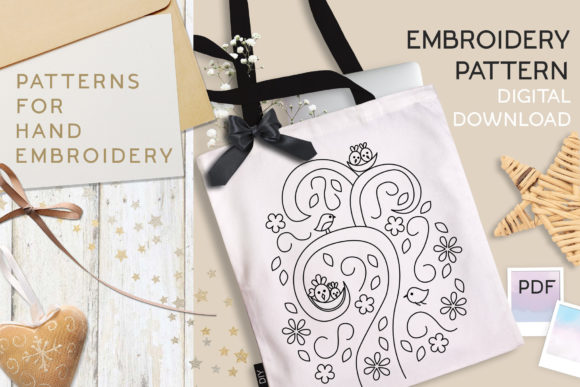
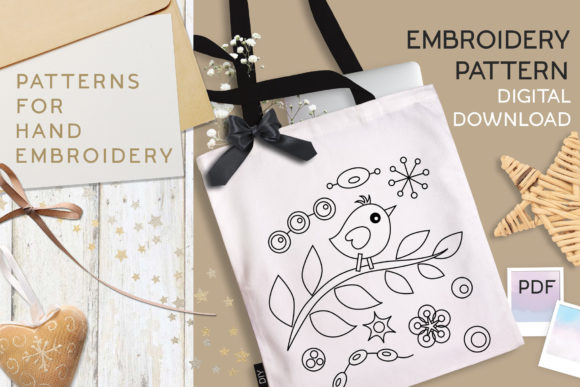
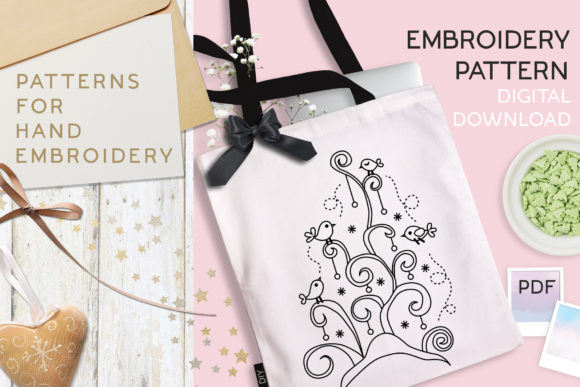
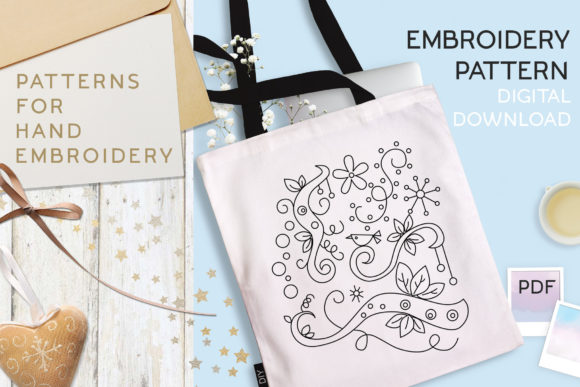
The moment I opened the files for this DIY Hand Embroidery Pattern, the mood was immediately clear: playful, organic, and distinctly modern. Unlike traditional, rigid botanical designs that often feel stiff when digitized or traced, this set embraces a looser, hand-drawn aesthetic. The silhouette of the bird perched on a winding branch suggests movement rather than a static pose. For a designer, this is crucial because rigid lines can look mechanical in a handmade product, whereas flowing lines invite the viewer to appreciate the texture of the thread.
The layout is balanced but asymmetrical, which gives it a contemporary edge suitable for today's market trends. Whether you are creating a printable mockup for an Etsy listing or sketching out a plan for a physical sample, the visual personality here screams "boutique quality." It avoids the cluttered look of overly complex Graphics and focuses on clean shapes that will read well even from a distance. This simplicity is deceptive; it requires a good eye for spacing to ensure the negative space enhances the subject rather than leaving gaps that look like mistakes.
Real-World Application: The Tote Bag Test
To truly understand the value of these Hand Embroidery Patterns, I decided to test them in a scenario that many of us face daily: creating a custom tote bag for a local farmer's market vendor. The goal was to produce a durable, washable item that serves as walking advertising for her brand while remaining aesthetically pleasing.
I selected a heavy-weight canvas tote, knowing that the fabric texture would provide a sturdy foundation for the stitching. The bird and branches design was positioned slightly off-center on the lower third of the bag, a popular placement for modern tote bag design. As I began transferring the pattern, I noticed the line weights were consistent, making it easy to trace without losing detail. During the stitching phase, the design allowed for a mix of techniques. I used a running stitch for the delicate twigs to maintain that sketch-like quality and opted for a denser satin stitch for the bird's body to give it weight and presence.
The result was impressive. The finished product felt professional and intentional. Customers at the market were drawn to the whimsical nature of the bird, commenting on how it felt less like a logo and more like art. This reaction confirms that this DIY Hand Embroidery Pattern has strong potential for increasing buyer engagement and perceived value in a retail setting.
Versatility Across Different Products
Beyond tote bags, this design shines in various other applications. For custom apparel, such as a linen apron or a structured sweatshirt, the organic lines of the branches adapt well to the drape of the fabric. I could easily envision this working as a chest pocket accent on a denim jacket or as a central feature on a nursery blanket for baby embroidery projects. The whimsical theme makes it particularly suitable for holiday embroidery gifts or personalized items for new parents, where softness and charm are paramount.
For those running a craft business, the scalability of this design is a major asset. It works effectively as a standalone piece on a pillow cover or tea towel, but it also functions well as part of a larger collection. You could pair it with floral elements or typography to create a cohesive series of design assets for a seasonal launch. The neutral yet charming subject matter ensures it appeals to a broad demographic, from young adults looking for trendy home decor to older generations appreciating traditional craft techniques with a modern twist.
Technical Considerations and Fabric Challenges
While the design is robust, there are areas where caution is necessary. When working with stretchy fabric like jersey knits for t-shirts, the long, sweeping lines of the branches can distort if the material is not properly stabilized. I strongly recommend using a cut-away stabilizer rather than tear-away for these applications to prevent the stitches from puckering over time. Similarly, on textured fabrics like wool or thick fleece, the finer details of the smaller twigs might get lost. In such cases, simplifying the inner details or increasing the scale of the embroidery project is advisable.
Dark fabrics present another challenge. Since this DIY Hand Embroidery Pattern relies on line work and shape rather than dense fills, thread color contrast is vital. On navy or black backgrounds, you must choose high-contrast thread colors to ensure the bird does not disappear into the background. Testing the design in a black-and-white mockup before cutting any thread is a smart move to verify visibility.
Curved surfaces, such as caps or hats, require careful hoop placement. The arch of the branch might need adjustment to follow the curve of the cap naturally; otherwise, the perspective can look awkward. Additionally, if you are considering this for an embroidered patch, ensure the edges of the design are far enough from the border to allow for a clean merrowed or satin edge finish without cutting into the bird or branches.
Designer Notes for Professional Results
Before committing to a final production run or selling these as digital embroidery file downloads, there are several practical steps every maker should take. First, always test the design on scrap fabric that matches your final material. This reveals how the stitch density interacts with the weave and whether the fabric pulls or gathers.
Check the licensing terms explicitly. While many patterns allow for personal use, selling finished items or the digital files themselves often requires a commercial license. Confirm this with the creator to protect your small shop product line from legal issues. If you are an Etsy seller, clarity on usage rights builds trust with your customers.
Pay attention to the hoop size requirements. Although the design looks compact, ensure your hoop accommodates the full span of the branches without needing to re-hoop mid-design, which can lead to alignment errors. Finally, inspect the tiny details. In hand embroidery, very small, isolated stitches can be frustrating to secure. You may need to adapt the pattern slightly, combining small running stitches into longer continuous lines to improve workflow and durability.
Final Verdict on Value and Aesthetics
In the competitive world of handmade goods, the difference between a product that sells and one that sits on the shelf often comes down to design quality and execution. This DIY Hand Embroidery Pattern offers a high level of visual appeal with a level of complexity that is manageable for intermediate stitchers but still looks professional enough for expert portfolios. It enhances the perceived value of the finished product, making items feel thoughtful and curated.
For creative entrepreneurs and hobbyists alike, this bird and branches motif provides a reliable foundation for building a brand identity centered on warmth, nature, and craftsmanship. It is a versatile tool in the designer's kit, capable of elevating simple textiles into cherished keepsakes. Just remember to respect the materials, test your variables, and let the whimsical nature of the design guide your creative choices.