Review: Don't Be Funny Cross Stitch Pattern for Pros
As an embroidery designer who spends most of my days digitizing files and testing stitches on everything from stretchy sweatshirts to rigid caps, I approach new downloads with a critical eye. We all know the struggle of finding a digital embroidery file that looks great on a screen but translates poorly to fabric. Recently, I evaluated the Don t Be Funny Cross Stitch Pattern available on Creative Fabrica to see if it holds up for real-world commercial projects. This isn't just about whether it's cute; it's about whether it can survive a wash cycle on a customer's favorite tote bag or look professional enough for a boutique display.
First Impressions and Visual Mood
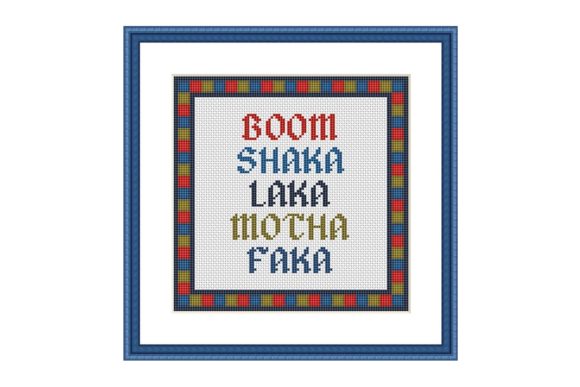
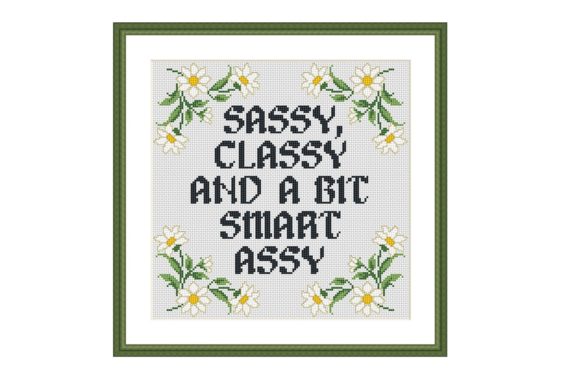
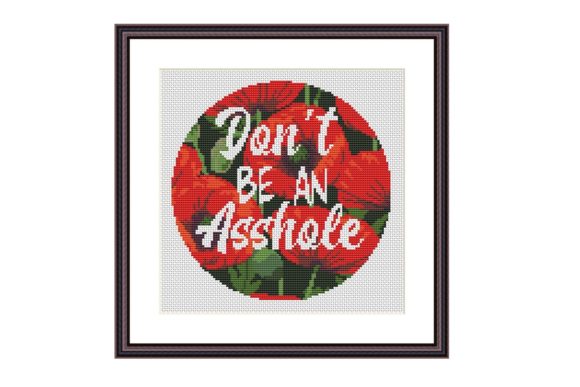
The immediate appeal of the Don t Be Funny Cross Stitch Pattern lies in its sassy, no-nonsense attitude. In the world of handmade goods, humor sells, but only when the execution is clean. The design features a bold, typographic statement that reads "Don't be an asshole," framed within a classic cross-stitch aesthetic. Visually, it strikes a balance between modern sarcasm and traditional needlework charm. Unlike complex applique design files that require multiple color changes and intricate layering, this pattern relies on the simplicity of full stitches. This minimalism is deceptive; it requires precision to ensure the text remains legible and the edges stay crisp. The mood is perfect for adult gifts, kitchen decor, or anyone who appreciates a bit of edge in their home organization.
Performance on Real-World Projects
When considering this design for a handmade product line, versatility is key. I imagined applying this pattern to several common items found in Etsy shops and craft fairs. For a tote bag design, the blocky nature of cross stitch works exceptionally well on canvas or heavy cotton, providing a sturdy texture that doesn't get lost in the weave. Similarly, for sweatshirt embroidery, the design offers a retro vibe that is currently very popular. However, because cross stitch creates a raised, textured surface, one must be mindful of the fabric choice. On a soft fleece, the back of the stitching needs to be managed carefully to prevent irritation against the skin.
The pattern also shines as a focal point for home goods. A linen kitchen towel or a neutral pillow cover becomes instantly personalized with this message. It serves as excellent nursery decor for parents with a sense of humor, provided the placement is high enough to be out of reach of little hands. For those selling embroidered patch products, this design could be stitched onto twill backing and cut into a shape, offering a durable accessory for jackets or bags. The simplicity of the design means it scales reasonably well, but its strength really lies in medium-sized applications where the individual "pixels" of the cross stitch are visible but not overwhelming.
Technical Considerations for Embroiderers
While the product description notes that this Cross Stitch Patterns entry uses only full stitches and is suitable for beginners, experienced designers know that "simple" does not mean "foolproof." When working with typography in embroidery, legibility is the highest priority. If you are adapting this for machine use or hand-stitching on difficult materials, you must consider stitch density. Cross stitch can become quite dense, especially if the grid is tight. On stretchy fabrics like jersey knits used for custom apparel, high density can cause puckering if the correct stabilizer is not used. I strongly recommend using a cut-away stabilizer for garments that will be worn and washed frequently to maintain the structural integrity of the letters.
Another critical factor is the hoop size. Before starting, confirm that your hoop can accommodate the full width of the phrase. If the text is too long for a standard 4x4 hoop, you may need to re-hoop or adjust the scaling, which can affect the clarity of the small details. Furthermore, working on dark fabric requires careful selection of thread colors. While the design likely suggests specific shades, you might need to swap them for higher contrast versions if your base fabric is navy or black. Always test on scrap fabric first. There is nothing worse than finishing a finished product only to realize the thread blends into the background or the tension has distorted the square shape of the stitches.
Challenges with Curved and Textured Surfaces
If you plan to use this on a cap or a curved surface, proceed with caution. Cross stitch patterns are inherently flat and geometric. Applying them to the curved front panel of a baseball cap can distort the straight lines of the text, making the message look warped. Additionally, the texture of the cap material (often a stiff twill) combined with the bulk of cross stitches can make the area uncomfortable to wear. For these applications, a satin stitch or fill stitch adaptation might be smoother, but if you stick to the original cross stitch style, ensure you are using a thin thread and a lightweight stabilizer to minimize bulk.
Impact on Brand Value and Customer Trust
In the competitive market of commercial embroidery and handmade sales, the quality of your design directly impacts buyer trust. Using a well-executed pattern like Don t Be Funny Cross Stitch Pattern can enhance your brand's personality, signaling that you offer unique, conversation-starting items. However, sloppy execution can have the opposite effect. If the stitches are uneven or the fabric puckers, it reflects poorly on your craftsmanship. High-quality presentation, including crisp printable mockup images for your online listings, is essential. When customers see a clear, sharp representation of the sassy text, they are more likely to engage and purchase.
This design also adds value as a personalized gift. The directness of the message makes it memorable. Whether it's a housewarming gift for a friend who loves cooking or a birthday present for a colleague with a dry wit, the emotional connection drives perceived value. Consistency in your product photography and the physical quality of the stitch work will help build a loyal customer base who trusts your design assets and finished goods.
Final Verdict and Practical Advice
The Don t Be Funny Cross Stitch Pattern is a solid addition to a designer's library, particularly for those looking to expand their range of humorous, text-based home decor and apparel. Its reliance on full stitches makes it accessible, but success depends on attention to detail regarding fabric choice, stabilization, and thread contrast. Before listing items for sale, always review the specific licensing terms on the Creative Fabrica product page to ensure you are compliant for commercial embroidery usage. Check the file details to confirm compatibility with your specific workflow, whether you are stitching by hand or adapting the motif for a machine.
Ultimately, this pattern works best when treated with the same respect as any complex design. Test your tension, choose your fabrics wisely, and let the sassy message shine through clean, precise stitching. With the right approach, this graphic can become a staple in your shop, driving engagement and bringing a smile to your customers' faces.