Ice Cream Cone Modern Cross Stitch Review
As an embroidery designer constantly scouting for fresh design assets to elevate a boutique clothing line, I approach every new pattern with a critical eye. Recently, I evaluated the Ice Cream Cone Modern Cross Stitch for an upcoming limited-edition sweatshirt drop. In the world of small shop products, the difference between a generic item and a bestseller often lies in the uniqueness of the graphic and the quality of its execution. This review breaks down how this specific pattern translates from a digital file to a premium finished product on heavy-weight apparel.
First Impressions: Mood and Aesthetic Appeal
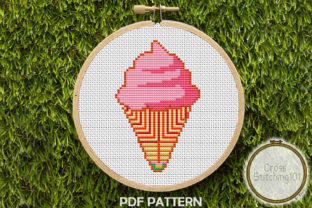
Upon opening the PDF pattern details, the immediate impression is one of playful minimalism. The dimensions listed at 38 stitches wide by 59 stitches high suggest a compact, vertical motif that fits perfectly within the current trend of small chest logos or sleeve accents. With only 10 DMC thread colors, the palette is restrained yet vibrant enough to capture the whimsical nature of an ice cream cone without becoming visually cluttered.
The mood of the Ice Cream Cone Modern Cross Stitch strikes a balance between cute and sophisticated. It avoids the overly childish look of some novelty designs, leaning instead into a "modern retro" vibe that appeals to a broad demographic. For a boutique brand targeting young adults or lifestyle consumers, this aesthetic is gold. It feels decorative enough to stand alone but simple enough to integrate into a larger collection of cozy seasonal apparel. The layout promises a clean finish, which is crucial when aiming for a high-end perception in custom apparel.
Application on Sweatshirts and Hoodies
When planning sweatshirt embroidery, fabric texture is a major variable. I tested the concept of this design on various blanks, from neutral oatmeal fleece to deep charcoal cotton blends. On neutral sweatshirts, the 10-color scheme allows the thread to pop naturally, creating a soft, handmade contrast that machine embroidery sometimes struggles to replicate with the same charm. On dark fabrics, the design requires careful selection of lighter thread shades to ensure readability, but the blocky nature of cross stitch inherently provides good definition.
For oversized hoodies, the Ice Cream Cone Modern Cross Stitch works exceptionally well as a left-chest emblem. Its size, approximately 6.91 x 10.73 cm (or roughly 2.71 x 4 inches), is ideal for this placement—large enough to be noticed but small enough to remain subtle. I also envision this working beautifully as a sleeve accent on pastel-colored crewnecks, adding a surprise element of detail that encourages customer engagement. If you are an Etsy seller looking to expand into wearable goods, this type of versatile placement increases the perceived value of the garment significantly.
Technical Considerations for Production
Transitioning a cross-stitch pattern into a physical embroidered piece on thick fabric requires attention to technical details. While the source is a PDF pattern intended for hand stitching or conversion, those of us using machines must consider stitch density and stabilizer choice. Cross stitch patterns can sometimes result in high stitch counts if not optimized, so checking the density before running a production batch is essential to prevent puckering on heavy fleece.
Since the pattern specifies "Any fabric you like," it offers flexibility, but for commercial use on sweatshirts, a cut-away stabilizer is highly recommended to support the structure of the stitches over time. The hoop size required would be minimal given the dimensions, allowing for easy placement even on tricky areas like sleeve cuffs. One concern for any designer is washing durability; cross stitch textures can catch on things if the threads are too loose. Ensuring tight tension and proper backing will make this handmade product feel robust enough for daily wear.
Brand Identity and Market Value
Incorporating unique graphics like the Ice Cream Cone Modern Cross Stitch directly impacts buyer trust and brand identity. In a saturated market, customers are looking for items that feel curated rather than mass-produced. This design carries a "crafted" soul that resonates with buyers who appreciate the effort behind a small shop product. It signals that the brand cares about detail, fostering a deeper connection with the audience.
From a marketing perspective, this design is highly photogenic. For printable mockup creation or lifestyle product photography, the distinct texture of cross stitch adds depth to images that flat prints cannot achieve. Whether displayed on a flat lay with coffee and beans or modeled in an urban setting, the graphic draws the eye. For digital sellers offering the pattern itself, highlighting its potential on real garments can boost sales. For apparel decorators, using this design creates a tangible asset that differentiates your inventory from competitors using standard clipart.
Final Verdict for Commercial Use
The Ice Cream Cone Modern Cross Stitch is a strong contender for boutique merchandise. Its simplicity belies its effectiveness; it is bold enough to be recognized from a distance yet detailed enough to invite closer inspection. The limitation of 10 colors keeps production costs manageable while still delivering a colorful result. However, before committing to a full run, I strongly advise verifying the specific file requirements if you are converting this for machine use, as the original listing describes a PDF pattern with specific stitch counts (38 W x 59 H) rather than a pre-digitized embroidery file.
If you are manually stitching these for a high-ticket artisan line, the time investment will yield a truly luxury item. If digitizing for machines, the clear grid and defined color changes should make the process straightforward. Ultimately, this design bridges the gap between nostalgic craft and modern streetwear. It is a versatile tool for creative entrepreneurs looking to inject personality into their commercial embroidery projects. By paying attention to thread contrast and stabilizer support, this pattern can become a signature element of your next collection, driving both visual recognition and sales.