Cross Stitch Alphabet Review: A Designer's Take on Handmade Lettering
As a designer who spends more time counting stitches than sleeping, I approach every new Cross Stitch Alphabet with a mix of skepticism and hope. We have all seen those digital fonts that look crisp on a screen but turn into a muddy mess once the needle hits the fabric. However, after spending some time evaluating this specific set of Cross Stitch Patterns, I can confidently say that this collection holds up under the scrutiny of real-world application. It is not just a pretty graphic; it is a functional tool for creators looking to add a touch of handmade charm to their products without sacrificing professionalism.
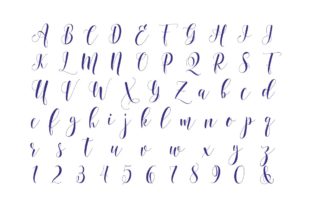
The first thing that strikes me about this design is its visual personality. There is a distinct "hand-drawn" warmth to the letterforms that feels inviting rather than rigid. In an era where everything can feel overly polished by machines, having an alphabet that retains the organic texture of cross-stitch is a significant asset. The capital letters stand approximately 52 stitches tall, which translates to roughly 3 to 3.75 inches (9.4cm) on 14-count fabric. This sizing is the sweet spot for visibility. It is large enough to be legible from a distance but compact enough to fit on a variety of substrates without overwhelming the item.
Real-World Application: From Concept to Finished Product
To truly test the viability of these Graphics, I imagined a specific scenario that many of us face: creating a line of personalized tote bags for a local boutique. The client wanted something that felt artisanal but needed to be durable enough for daily grocery runs. Using the Cross Stitch Alphabet here makes immediate sense. The blocky nature of the cross-stitch style provides excellent coverage, meaning the text won't get lost in the weave of a canvas bag.
Imagine stitching a customer's name onto a natural linen tote. The texture of the linen combined with the grid-like structure of the cross stitch creates a cohesive, high-end look. Unlike a satin stitch which can sometimes pucker on loose weaves, the individual crosses of this pattern distribute tension evenly. For a small shop product like this, the perceived value skyrockets because the customer sees the effort and the traditional technique involved. It transforms a simple bag into a personalized gift that feels thoughtful and exclusive.
Beyond apparel and bags, this alphabet shines in home decor. Picture a set of kitchen tea towels or a nursery pillow cover. The 9.4cm height is perfect for monogramming the corner of a towel or centering a short word like "HOME" or "LOVE" on a cushion. Because the design relies on the fundamental structure of cross-stitch, it integrates seamlessly with other traditional motifs. If you are an Etsy seller looking to expand your holiday inventory, these letters are ideal for creating custom ornaments or stocking tags. They offer that nostalgic, festive feel that buyers actively search for during the fourth quarter.
Technical Considerations and Fabric Compatibility
While the aesthetic appeal is strong, a responsible designer must also consider the technical limitations. Cross-stitch is inherently a grid-based technique, which means it behaves differently than fluid machine embroidery design styles like fill stitch or complex applique design work. When working with this Cross Stitch Alphabet, fabric choice is paramount.
On 14-count Aida or even-weave linen, the results will be pristine. The holes guide the needle, ensuring uniform stitch size and alignment. However, if you attempt to translate this pattern onto a stretchy knit, like a sweatshirt or a baby onesie, you must proceed with caution. Stretchy fabrics distort grids. If you are doing this by hand, using a water-soluble stabilizer with a printed grid is non-negotiable. If you are adapting this as a digital embroidery file for a machine, you need to ensure the stitch density isn't too high, or the fabric will pucker around the rigid square shapes of the letters.
Dark fabrics present another challenge. Cross-stitch relies on light passing through the gaps between stitches to create depth. On black or navy fabric, you may need to increase the number of strands or use a lighter backing fabric to prevent the base color from dulling the thread colors. Always test your thread colors against your chosen background. A vibrant red might pop beautifully on white but disappear into a burgundy garment. I strongly recommend stitching a single letter on a scrap piece of your intended fabric before committing to the full project.
Commercial Viability and Brand Consistency
For those running a craft business, consistency is key to building trust. This alphabet offers a reliable way to maintain brand identity across different products. Whether you are labeling embroidered patch designs, tagging custom apparel, or creating printable mockup images for your online store, the uniformity of these letters ensures your brand looks cohesive. Customers recognize patterns, and a distinctive lettering style can become part of your signature look.
However, clarity is crucial for commercial success. While the 52-stitch height is generally readable, be wary of using this for long sentences on small items like caps or curved surfaces. The rigidity of the cross-stitch grid does not curve well around the crown of a baseball cap without significant distortion. For baby embroidery on tiny booties or bibs, stick to initials or very short words. The finished product needs to look intentional, not cramped.
Designer Notes for Best Results
Before you list these designs in your shop or start stitching for clients, keep these practical tips in mind:
- Check Licensing: Always verify the license terms provided with the pattern. Some Cross Stitch Patterns are for personal use only, while others allow for commercial sale of finished physical goods. Never assume you can sell the digital file itself unless explicitly stated.
- Stabilizer Selection: Even though cross-stitch is often done on stable fabrics, using a cut-away or tear-away stabilizer can add necessary body to garments that will undergo frequent washing, preserving the shape of the letters over time.
- Contrast Testing: Create black and white mockups of your design ideas. If the letters don't stand out clearly in grayscale, they likely won't pop in real life either. High contrast between thread and fabric is essential for readability.
- Hoop Size Awareness: Ensure your hoop size accommodates the full width of the word you intend to stitch. Trying to squeeze a long name into a small hoop can lead to fabric distortion and frustrated stitching.
- Detail Inspection: Look closely at the corners of the letters. In cross-stitch, sharp angles can sometimes look jagged. Decide if this rustic look fits your brand or if you need to adjust the pattern slightly for a smoother finish.
In conclusion, this Cross Stitch Alphabet is a robust addition to any designer's library. It bridges the gap between traditional craft and modern product design. Whether you are a hobbyist making gifts for family or an entrepreneur scaling a boutique brand, these graphics provide a solid foundation for creating meaningful, tactile products. Just remember to respect the medium, choose your fabrics wisely, and let the natural charm of the stitch do the heavy lifting.